Doctor Honors Science and Faith in Cancer Care in South Africa

As a doctor and minister, Thandeka Ngcana, MD, acknowledges the roles that culture and faith have in cancer treatment. This understanding improves the quality of care she provides to patients and families in South Africa.
In Zulu, my mother’s home language, there’s a greeting: sawubona. It means “I see you.” Acknowledging people for who they are and what they believe in is important for building relationships and for practicing medicine.
As a pediatric cancer doctor, I want families to feel seen and heard. Building trust takes humility and time. When we start by acknowledging each other as whole people, care becomes more than treatment—it becomes a partnership.
Caring for kids in a diverse country
I care for children with cancer at Chris Hani Baragwanath Hospital in Soweto, South Africa. Most of our patients, about 7 out of 10, come from rural areas where traditions and beliefs are deeply rooted. These beliefs often shape decisions about treatment, consent, and end-of-life care.
South Africa’s cultural diversity makes pediatric care both special and challenging. Understanding these traditions is essential. When doctors and families listen to each other, trust grows. And trust helps everyone focus on what matters most: the child’s health and comfort.
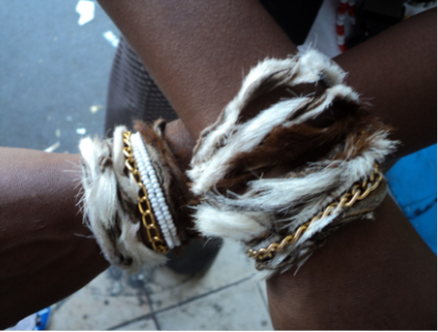
Isiphandla is a sacred, ancestral wristband worn by Zulu people and some other African communities. It is a physical and spiritual connection to their ancestors.
Incorporating culture
Culture is what we learn and share with those around us—our beliefs, traditions, and ways of living. You can see culture in clothing, art, and food. Some parts are harder to notice, such as values, family rules, and worldviews.
In South Africa, 2 traditional systems often influence health care:
- African traditional healing: Honoring ancestors, using herbal remedies, and spiritual practices
- African traditional churches: Blending Christian worship with traditions like ancestral respect and spiritual healing
Families may also use cultural items such as isiphandla (a goat-skin bracelet) or waist beads, which are believed to offer protection or healing.
Balancing science and culture
In medical school, I learned about the biopsychosocial approach. It looks at the whole person—not just the illness. Health depends on 3 things:
- Bio: The body—physical health and treatment
- Psycho: The mind—feelings, stress, and mental health
- Social: Family, friends, culture, and community
These 3 parts work like the legs of a stool. If one is missing, the stool falls. Good care means supporting the body, mind, and social connections. When all these pieces work together, children feel stronger and more supported.
When treatment feels hard
Some cancer treatments can feel very difficult for families because of cultural beliefs:
- Amputation: Some believe removing a limb makes the body “incomplete” for the afterlife.
- Eye removal (enucleation): Raises concerns about keeping the soul whole
- Other major surgeries: May feel like breaking the body’s wholeness
These feelings are real. Talking openly helps families and health care providers find ways to respect beliefs while giving the best care possible.
"We all experience God differently. We all experience life differently. If we can accept each other as we are, without trying to change one another, the world—and health care—will be a better place."
Working with traditional healers
We partner with groups like the CHOC Childhood Cancer Foundation to teach traditional healers about cancer warning signs. Many families go to a healer first. When healers know what to look for, they can send kids to the hospital sooner.
Respect is key. When families feel heard, trust grows and care improves.
I have learned a lot from healers. At first, I imagined scary things, like in movies with cuts and potions. But most practices are gentle. Some healers bathe a child in special water, burn incense, and say prayers. Nothing is swallowed, and nothing is cut. Sometimes they burn herbs and rub ash on the skin. These do not interfere with chemotherapy.
One mom wanted her child’s medicine mixed with holy water. I worried at first, but found a safe way: sealed bottles of sterile water from the pharmacy, prayed over by her minister. Then I checked in: “Do you have enough water? Need more?” This small step showed respect and kept the child safe.
Why respect matters
Families often find comfort in traditions. Without them, parents may feel guilt, wondering if they did enough for their child. Cancer is life-changing, and no parent wants to bury a child.
I am honest about medicine, too. If families bring traditional remedies, I explain: “I don’t know what is in this, and I can’t say it is safe with chemo. All medicines—traditional or hospital—go through the liver and kidneys. Too much can harm your child.”
Families have the right to choose. Some say no to treatment. I tell them, “If you have questions later, reach out.” Many return after talking with elders. Sometimes they just need time.
I have a tattoo with symbols from Islam, Judaism, and Buddhism, even though I’m Christian. Why? Because my faith teaches me to “love your neighbor as yourself.” It does not say “only love the neighbor who believes what you believe.”
We all experience God differently. We all experience life differently. If we can accept each other as we are, without trying to change one another, the world—and health care—will be a better place.
Tips for respectful care
Here are some tips on providing respectful care:
- Listen and acknowledge: Show families you respect their beliefs.
- Make space for traditions: Allow safe practices that do not interfere with treatment.
- Include the whole family: Big decisions often involve grandparents and elders.
- Share information clearly: Use simple language that connects with what families know.
- Be flexible: Consent may take time. Adapt while keeping care safe and ethical.
Why language matters
Language can change everything. Many expect a doctor in Johannesburg to speak only English. But when I greet a grandmother and ask, “What language would you like me to use?”, the room feels different.
Families relax. They ask questions they were too shy to ask before, like, “Will my child lose a leg?” Speaking in a familiar language shows respect and builds trust. It is one of the best ways to truly see and understand each other.
Faith and healing
Sometimes families say “no” to certain treatments because of their beliefs. For example, some Jehovah’s Witness families refuse blood transfusions. These choices can feel hard for doctors, but listening and talking openly helps.
Science gives us data, but faith and traditions are just as real for many families. In South Africa, local research is limited, so we often use information from other countries. Families, meanwhile, follow practices passed down by word of mouth. That can make understanding harder, but it doesn’t make those beliefs less important.
As a doctor and a minister of the African Methodist Episcopal Church, I have seen faith give families strength. It helps them cope, whether the child gets better or not. Children often do better when they have strong support from family, pastors, or traditional healers. If a family wants to bring a priest or healer to the hospital, we welcome that as long as it doesn’t interfere with treatment.


